As part of its efforts to develop and sustain water-efficient livelihoods and strengthen the marketing and sales of sustainably produced agricultural products, the Conservation of Iranian Wetlands Project (CIWP) has focused on empowering livelihood groups and enhancing their knowledge and skills in marketing, sales, and business development. To support this process, the Project has engaged specialized consultants in marketing and business development to work closely with local communities across its pilot sites.
Diversifying water-efficient livelihoods, developing markets, and promoting sustainable agriculture are among the key activities pursued by the Conservation of Iranian Wetlands Project to support the wise use and conservation of wetland ecosystems. These priorities continue to be advanced under the current phase of the Project. Following the establishment of the pilot villages, the identification and formation of local livelihood groups, and the initiation of their activities—as well as the engagement of farmers in the sustainable agriculture component—the growth, development, and long-term sustainability of these activities have become increasingly important.
In this context, providing training in the fundamentals of marketing and business development has been identified as an essential component of strengthening and sustaining local economic activities and has therefore been incorporated into the Project’s agenda. To this end, specialized consultants in business development and entrepreneurship are working alongside participating local communities in two complementary areas: developing and sustaining livelihoods that are compatible with wetland ecosystems, and strengthening the marketing and sales of sustainably produced agricultural products.
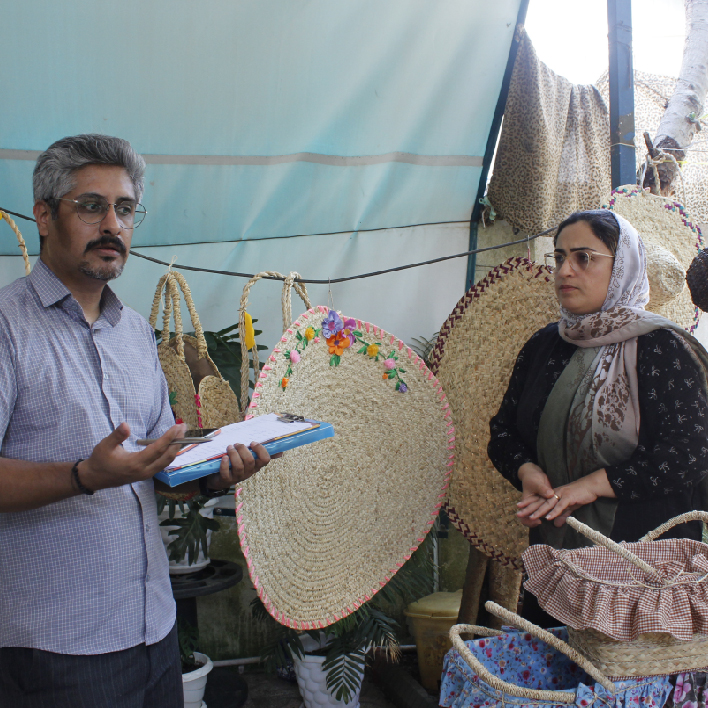
Under the livelihood diversification component, the marketing and business development consultant visited the Project’s pilot villages and met with local livelihood groups that had previously been identified and trained by local implementing partners and had already begun their activities. During these visits, the products developed by the livelihood groups were reviewed and assessed. Through discussions with group members and questions concerning their economic activities, marketing practices, and business operations, the consultant also assessed their familiarity with relevant business concepts and practical skills.
Similarly, under the sustainable agriculture component, the marketing and business development consultant visited the pilot villages and their farms, engaging directly with farmers and gathering information on the products being produced and the capacities available within the communities. These assessments provided an important basis for designing and delivering training tailored to the specific needs of livelihood groups and farmers.
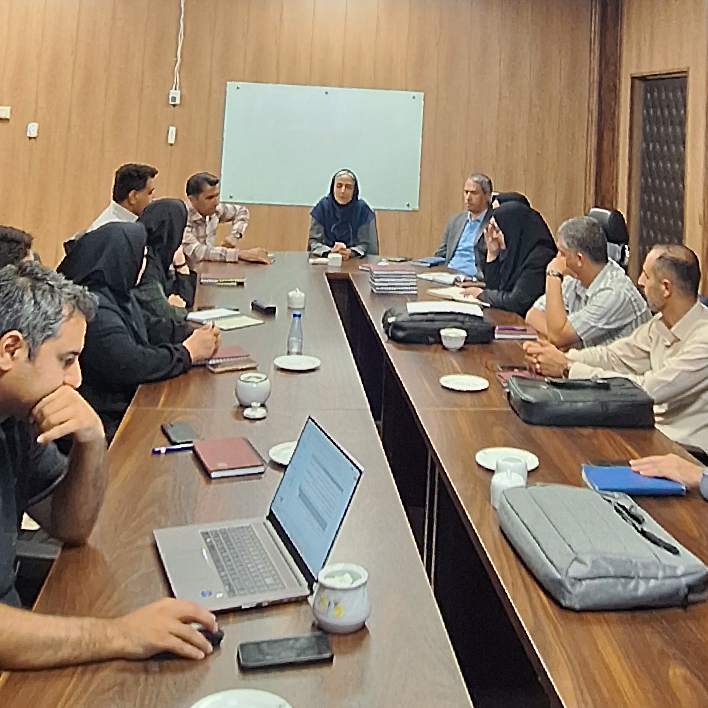
Following these assessments, selected representatives of livelihood groups from different villages, together with farmers engaged in sustainable agriculture, participated in one-day training workshops focused on marketing and business development. Facilitators and representatives of partner companies also participated in the workshops, contributing to practical discussions on product development, marketing, and sales.
The workshops covered a range of practical topics, including basic business concepts, product development, marketing, pricing, sales, the Business Model Canvas, marketing planning, and creativity.
The workshops were conducted across all five pilot provinces of the Project, with the overarching objective of strengthening the knowledge and practical skills of livelihood groups and farmers in marketing, market development, and product sales. Building these capacities can contribute to better product positioning and promotion, create greater market and sales opportunities, and ultimately support the development and long-term sustainability of water-efficient livelihoods while contributing to the continuity of sustainable agricultural practices.