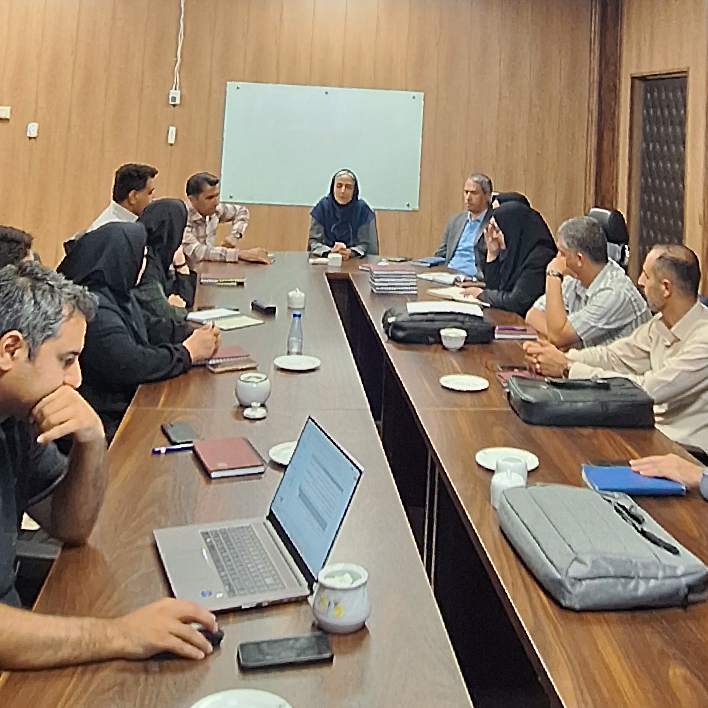
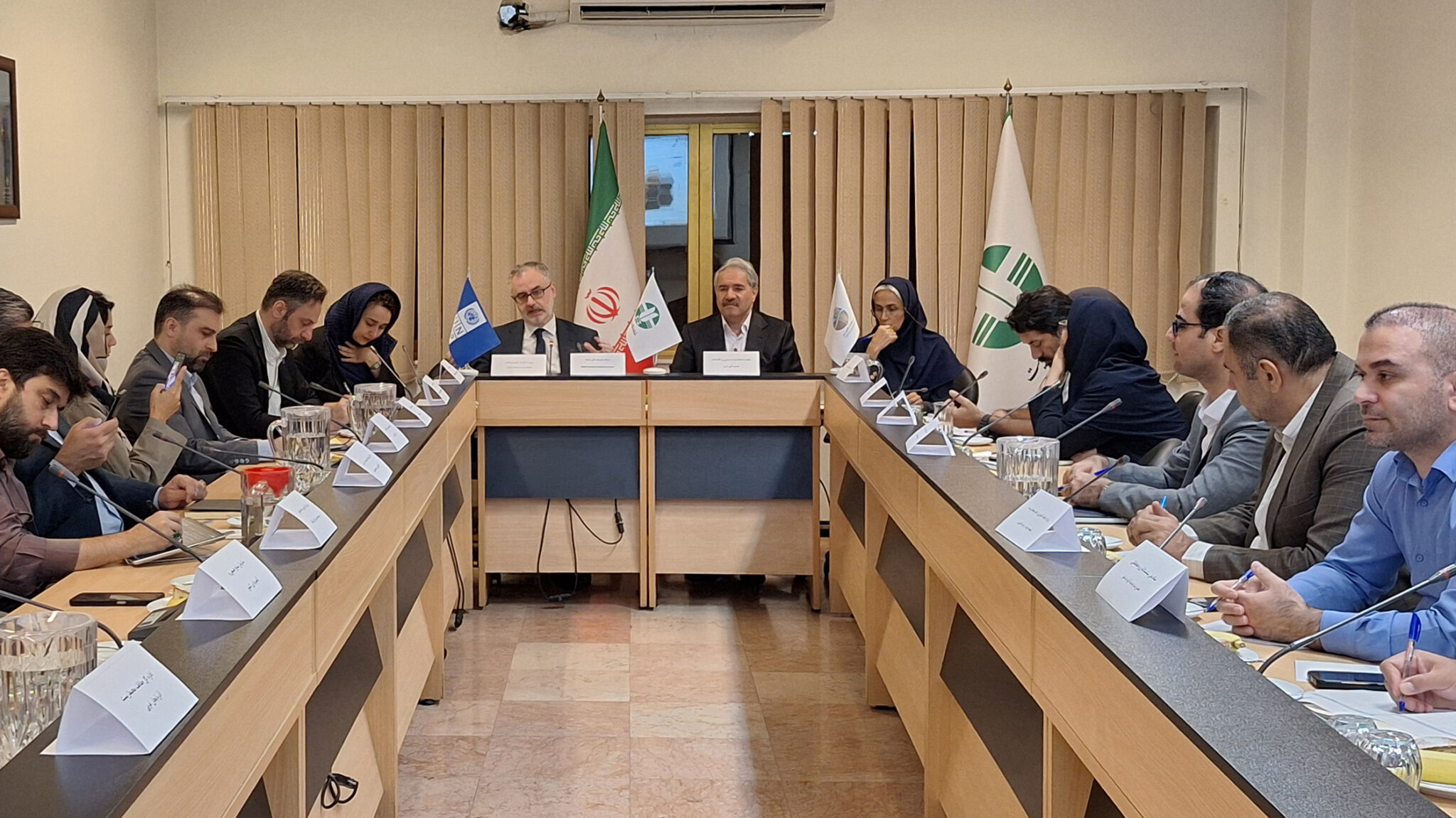
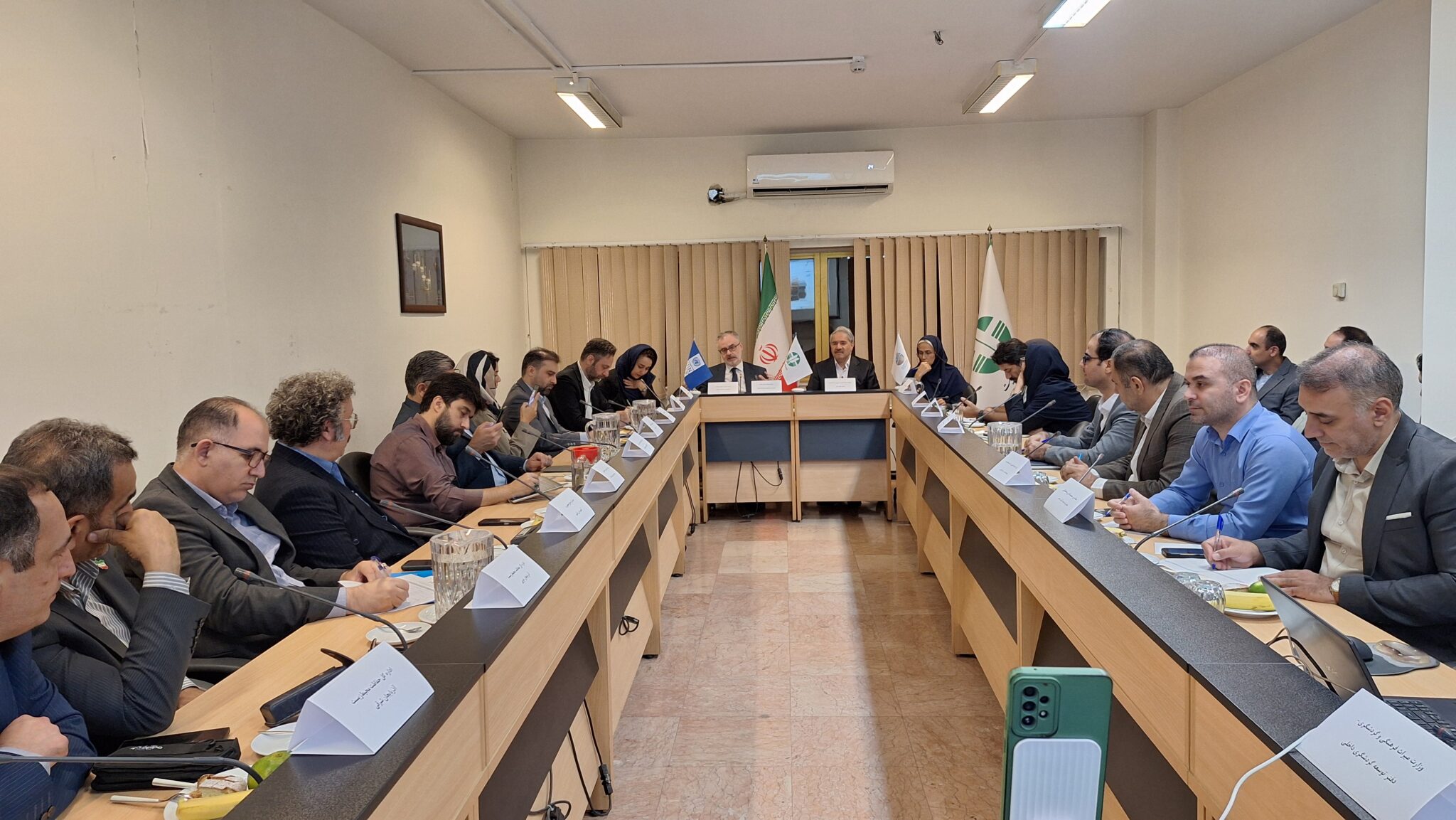
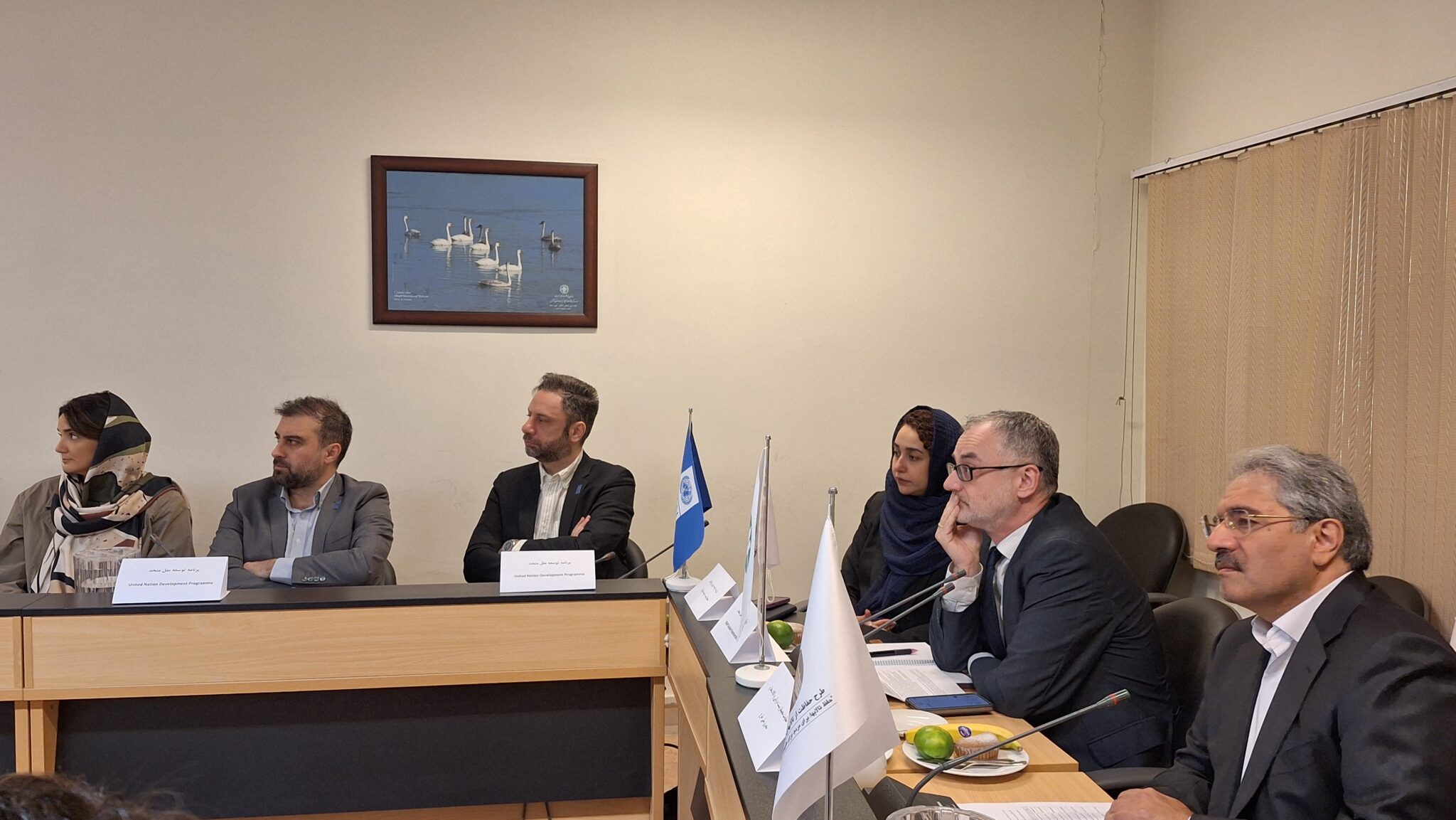
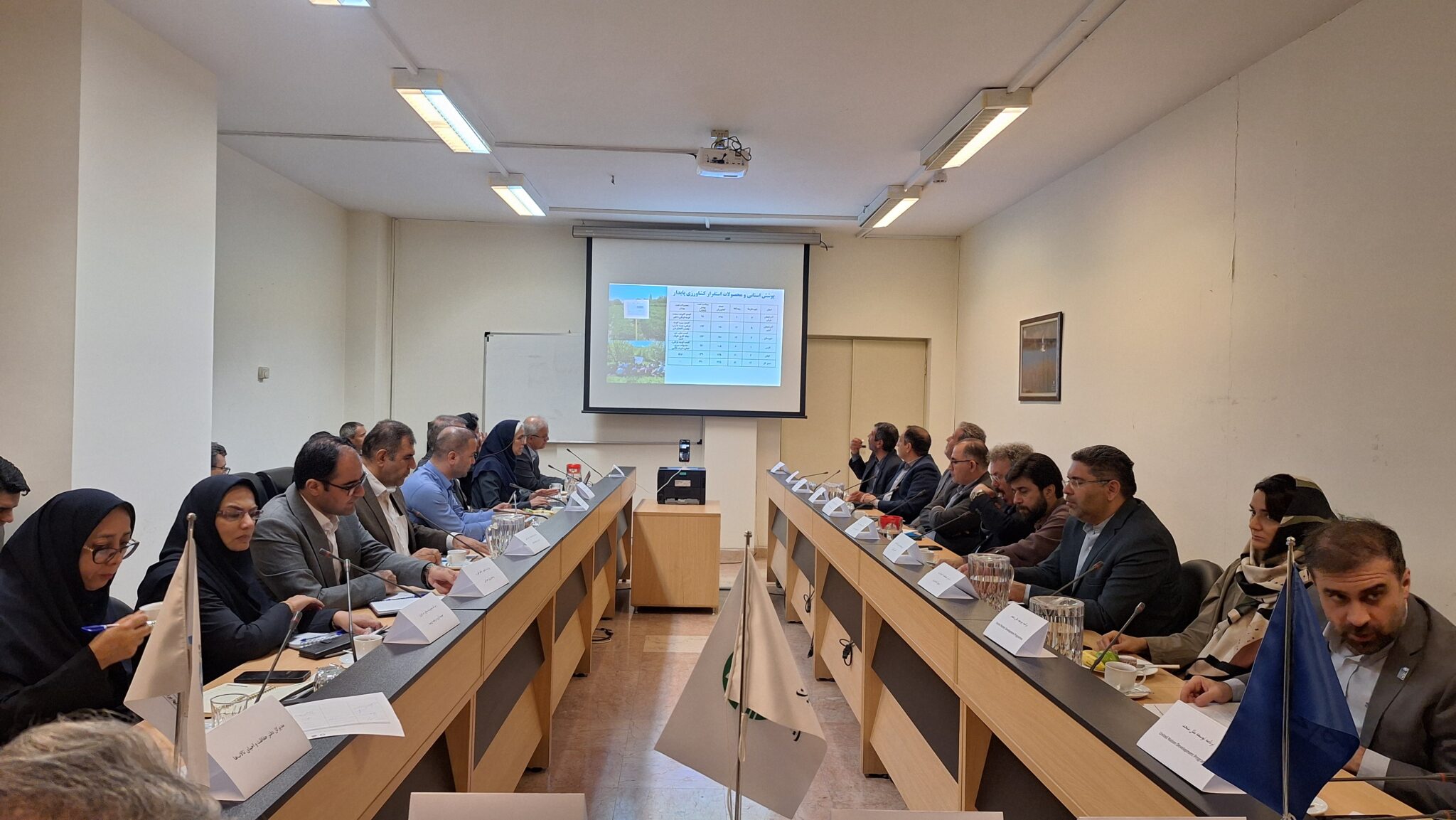
The 33rd Steering Committee meeting of the Conservation of Iranian Wetlands Project was held in Tehran on 5 October 2026, with the participation of representatives from the United Nations Development Programme (UNDP), the Department of Environment (DoE), ministries, national and provincial executive bodies, civil society organizations, and other stakeholders. The meeting was chaired by Ahmad Reza Lahijanzadeh, Deputy Head of the Marine Environment and Wetlands Department and National Project Director.
At the meeting, Lahijanzadeh first provided an overview of the key activities being implemented under the Conservation of Iranian Wetlands Project. He also shared the good news that Lake Gahar had been added to the list of Wetlands of International Importance and designated under the Ramsar Convention.
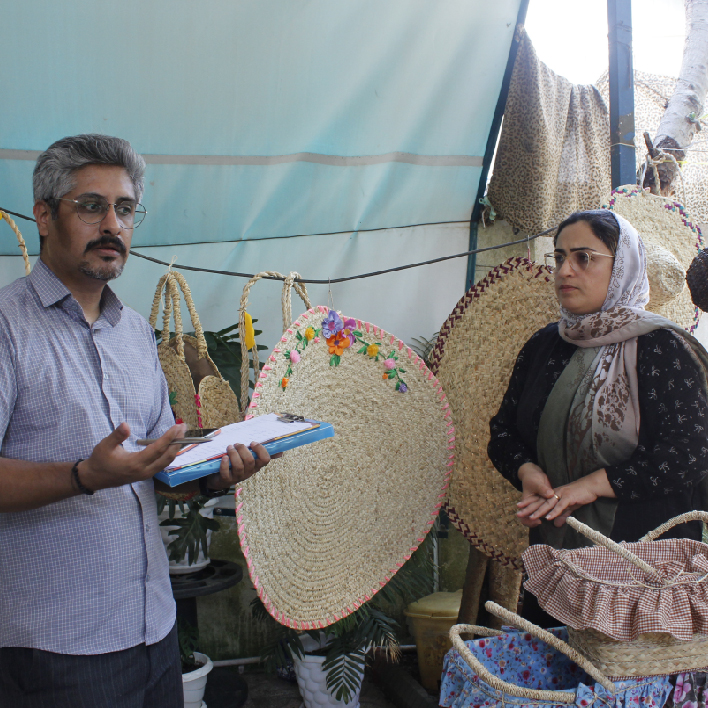
Following this, Mehri Asnaashari, National Project Manager of the Conservation of Iranian Wetlands Project, presented a comprehensive report on the achievements, results, and implementation progress of the Project’s activities in 2026. The activities and results were reviewed under the Project’s three main components. Given the importance of scaling up the Project’s achievements and approaches, particular emphasis was also placed on expanding the Project’s approach at the national level, as well as the Project’s vision and plans in this regard. This section covered cooperation with local implementers, the development of livelihood groups, capacity-building workshops, the development of new livelihoods, contracting, activities carried out by local implementers, and some of the activities and techniques applied to promote the adoption of sustainable agriculture.
The meeting was conducted in an interactive manner, allowing participants to share their views, questions, and concerns regarding the implementation of the Project’s activities. Representatives of civil society organizations also shared their perspectives, emphasizing the importance of taking into account existing capacities and challenges in wetland conservation and the need to further strengthen the role of civil society organizations in this area.
Lahijanzadeh, Deputy Head of the Marine Environment and Wetlands Department and National Project Director, further highlighted the relatively small scale of the Project and emphasized the importance of continued cooperation with the Department of Environment and civil society organizations in wetland conservation. He also stressed the need for greater engagement of the Marine Environment and Wetlands Department in this area.
Alireza Mohammadi, UNDP Programme Analyst, referred to the framework governing the implementation of international projects and explained that donors set specific assumptions and requirements for the implementation of such projects. Project plans are developed and implemented in consideration of these requirements and in coordination with national priorities and expectations.
Luan Boadze, UNDP Resident Representative in Iran, also referred to the scale of the Project and emphasized the need to maintain realistic expectations regarding project outcomes. He described the successful implementation of activities in the pilot areas as an indication that effective wetland conservation measures are feasible, and stressed the importance of building on these experiences and transforming them into models that can be applied at the national level.
The Steering Committee meetings of the Conservation of Iranian Wetlands Project provide a platform for reviewing project implementation, presenting progress reports, exchanging views among stakeholders, and receiving and considering feedback and recommendations. Such meetings can play an important role in refining and improving the implementation of the Project’s activities.