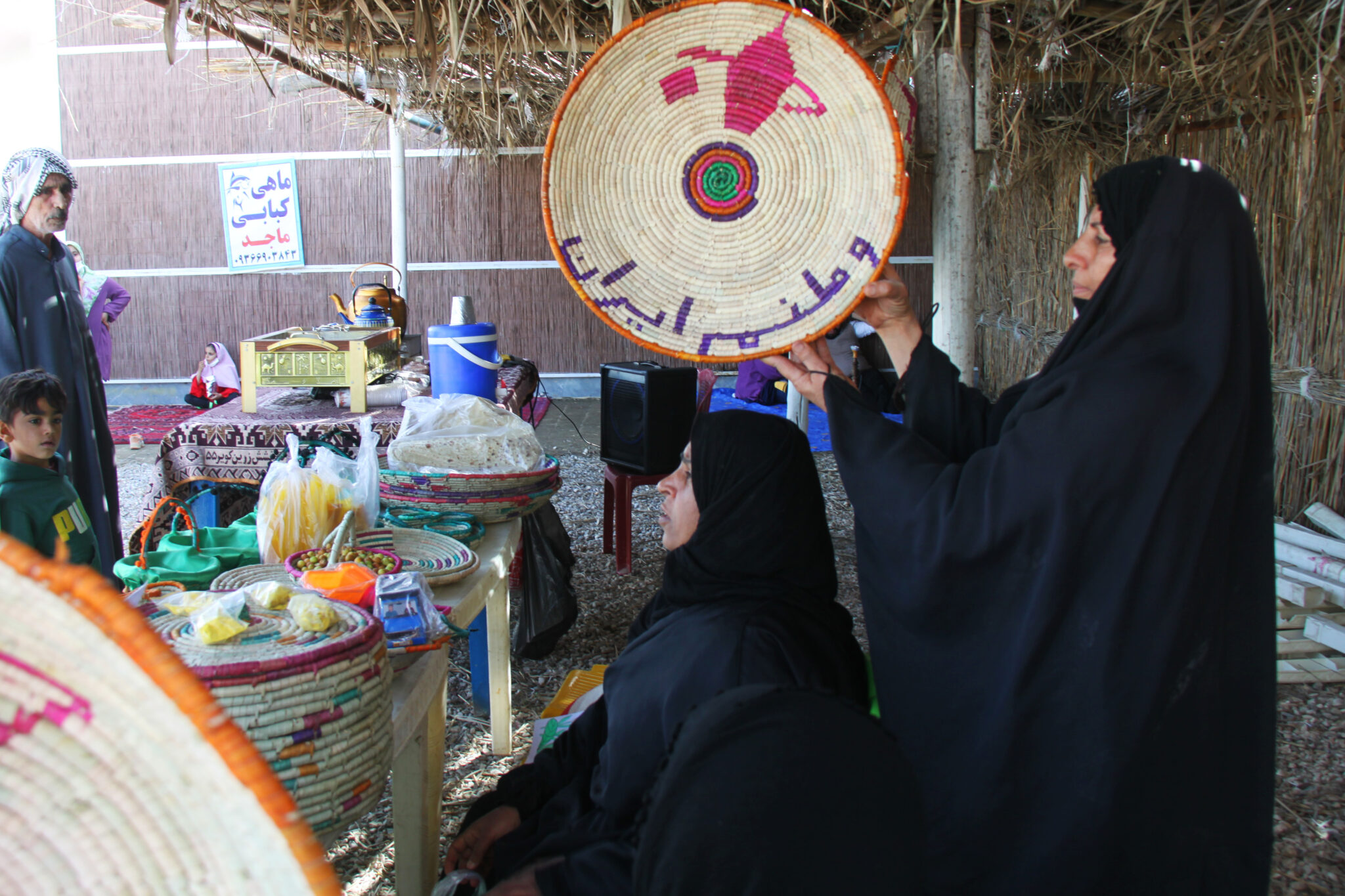
In a time when the sound of machines has grown louder than the songs of birds, there are still places that quietly embrace life: places where seeds sprout, drops of water flow through the veins of rivers, and we are reminded of how life finds a way to continue.
The Earth, our mother, still gives us every bite of bread, every ear of wheat, and every drop of water we drink, all drawn from her generosity. Yet the Earth, just like a mother, cannot bear the entire burden of life alone forever.
Wetlands are drying up, water is becoming scarcer, and pressure on natural resources is growing every day. In these circumstances, more than ever, we need to care for what sustains our lives. And when we look a little closer at the communities living around wetlands, we see women: women who are an integral part of this very cycle of life.
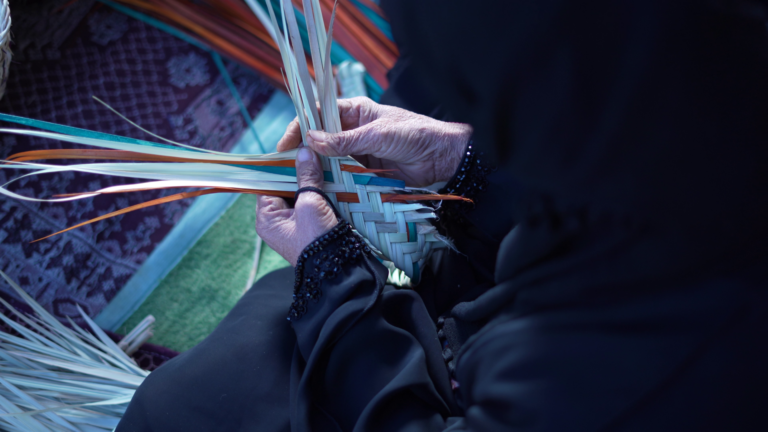
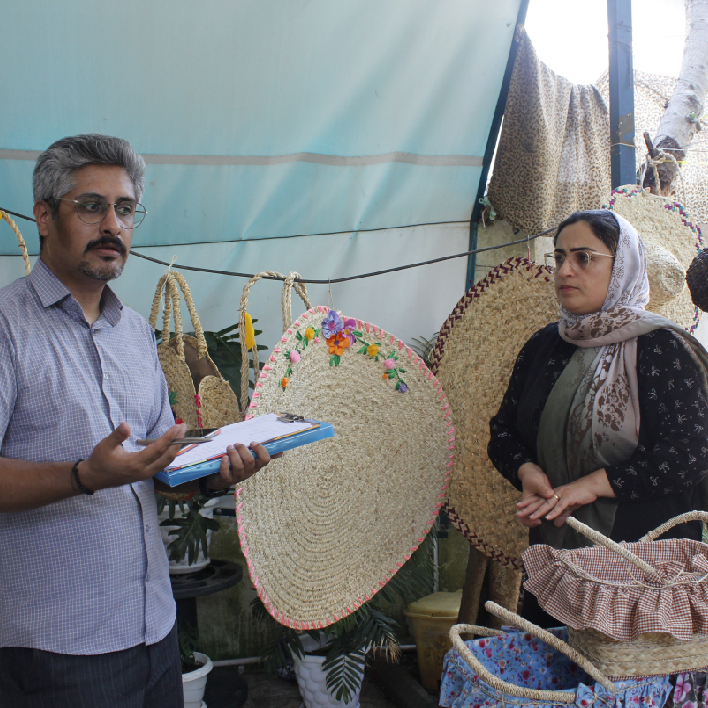
A woman who rises early to care for her children; a woman who works in the fields and helps provide food for her family; a woman who learns a new skill to increase her income; and a woman who, amid all these responsibilities, also thinks about the water, soil, and land on which her family’s life depends.
Perhaps this is why an ancient bond connects women and the Earth: a bond rooted in care.
Both give birth to life and strive to sustain it. Both give generously, yet both need care themselves to keep going.
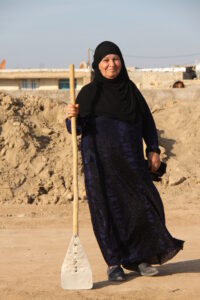
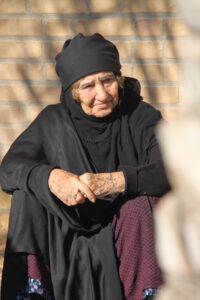
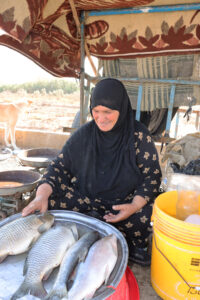
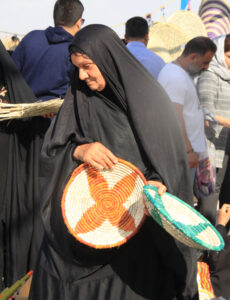
This is where supporting women takes on a meaning that goes beyond supporting a social group. When a woman has greater opportunities to learn, earn an income, and participate in decisions affecting her life and livelihood, that change can also have an impact on her family, her community, and even the natural environment around her.
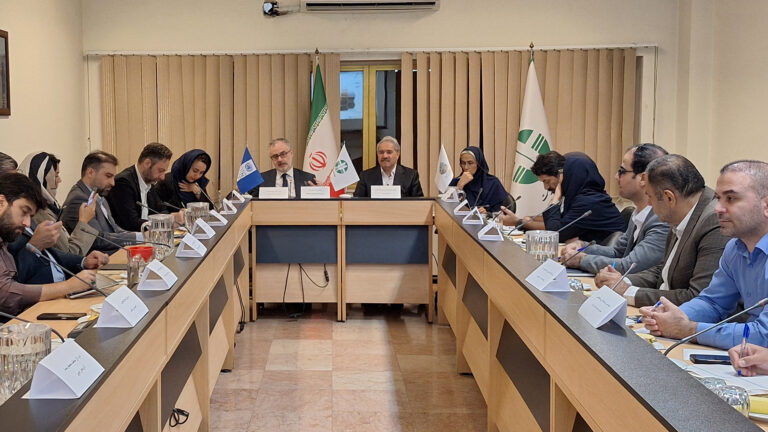
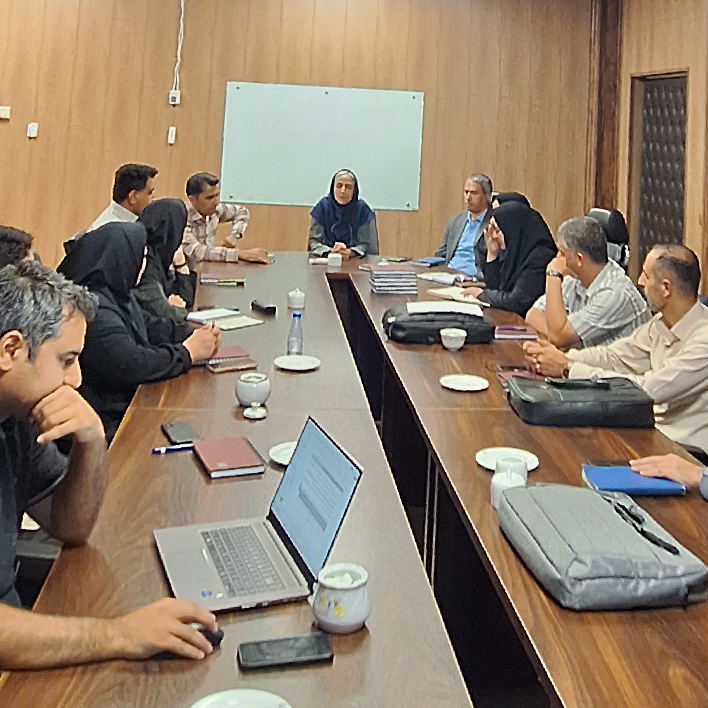
As part of this effort, the Conservation of Iranian Wetlands Project identified 1,180 women interested in developing wetland-compatible livelihoods last year. The Project is also supporting the formation of livelihood groups and organising training courses and workshops to empower them. With the right support and opportunities, these women can help create new livelihood opportunities while reducing pressure on wetland resources.
These women are not simply seeking ways to increase their income. They can also become part of the solution to protecting the land to which their own lives and those of their families are deeply connected. They can become the eyes and ears of their communities, helping safeguard the water, soil, and wetlands around them.
Through the Conservation of Iranian Wetlands Project, the United Nations Development Programme (UNDP), with financial support from the Government of Japan and in cooperation with Iran’s Department of Environment, supports the development of wetland-compatible livelihoods and the empowerment of women in local communities. This work contributes to protecting Iran’s wetlands for people and nature, because conserving a wetland is not simply about preserving an ecosystem; it is also about safeguarding the lives and futures of the people who live alongside it.
Perhaps, in the end, the story of the Earth and women is a shared one: a story of care. Women who care for life, and the Earth that holds life in its embrace.
And perhaps a sustainable future begins precisely where women’s hands work to build a life, and the Earth gives them the opportunity to help it endure.