
Participatory Environmental Protection
Participatory environmental protection is an approach in which the conservation of natural resources and biodiversity is not solely the responsibility of government institutions, but is carried out through the active participation of local communities, non-governmental rganizations, the private sector, universities, international projects, and other stakeholders. This approach is based on the understanding that sustainable environmental protection can be achieved when decision-making, planning, and the implementation of conservation measures involve people who are directly connected to natural resources and whose livelihoods and lives depend on them. Participation, accountability, mutual trust, and the integration of indigenous knowledge with scientific knowledge are among the key pillars of this approach, providing a foundation for achieving sustainable, equitable, and effective outcomes.
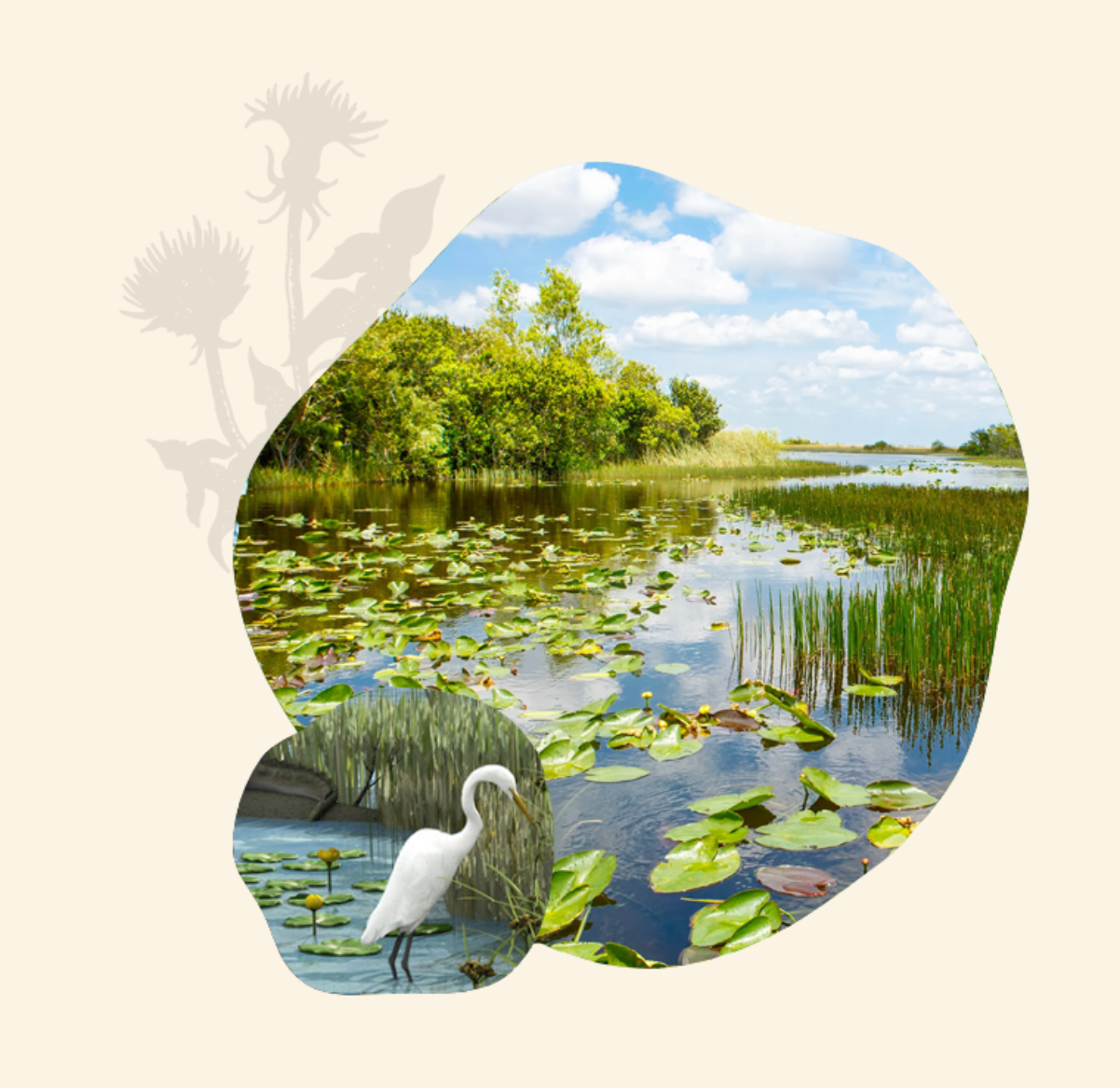
Wetlands are among the most productive ecosystems in the world. These aquatic ecosystems are centers of biodiversity and natural reservoirs that play an important role in sustaining countless animal and plant species that depend on them. The diverse functions, benefits, and values of wetlands make them unique environments and further highlight the need to protect this natural heritage. Wetlands provide highly suitable habitats for the breeding, wintering, and feeding of a wide range of bird species. The livelihoods of many communities living around wetlands also depend on these valuable ecosystems. In this context, conserving the biodiversity of these ecosystems is of great importance. In recent years, participatory biodiversity conservation in wetlands has played an important role in preserving and restoring wetland biodiversity.